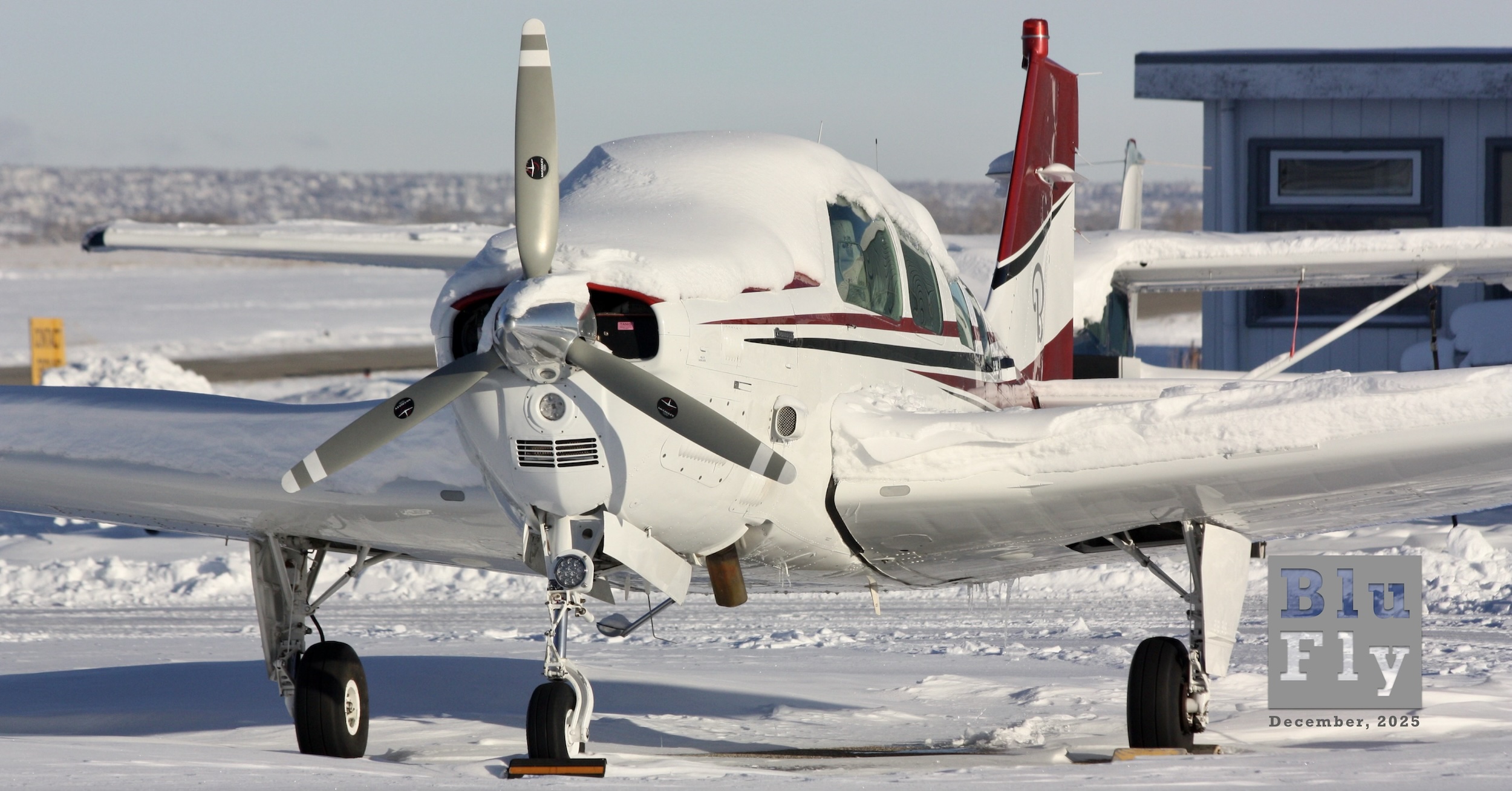
Winter arrived early at Springbank Airport near Calgary, Alberta, Canada, as captured in November, 2024. (📸 ©2024 Terence C. Gannon, all rights reserved.)
December, 2025
« All I wanted to do was to make something beautiful. » — Jiro Horikoshi
By Terence C. Gannon
In The Air
There aren’t enough scripted, feature-length biopics with aeronautical engineers as their central characters. Although I wish this was insight I could claim I had made out of the blue based on my vast, Mankiewiczian knowledge of the subject, it only occurred to me after the fact during yet another late night of insomnia-fueled Netflix surfing.
 Rather, my blinding flash of the obvious was after personally discovering The Wind Rises (風立ちぬ),1 legendary animator Hayao Miyazaki’s 2013 feature-length film based on the life of Jiro Horikoshi. A legend in his own right, Horikoshi was likely most famous for designing the Mitsubishi A6M Zero, amongst many other aeronautical accomplishments.
Up until watching this utterly charming film, I never understood younger generations’ fascination with Japanese animé. The spooky big eyes and the bright colours were, candidly, just a little more than disturbing to my crude sensibilities. However, after watching The Wind Rises, I much better understand what gets people so excited.
It's absolutely gorgeous.
Every shot is exquisitely composed with many frames suitable for, well, framing. I would hang them on my wall, at least. Miyazaki uses depth of field as part of the storytelling process, as well as the multi-layer, nearly three-dimensional setups that make the movie go by in a flash and leave the viewer wanting more in a is it over already? kind of way. The ability to freeze frame and inch forward and backward through the film is one of the real benefits of Netflix, particularly when re-watching it on a computer as I did while writing this. There is just so much going on in the images as well as Spielberg-level attention to detail.
 Watching the film in English is yet another benefit of the pricey Netflix subscription. I tried watching it in Japanese with English subtitles — I have always loved the cadence of spoken Japanese even though I don’t understand a word of it — but, alas, I was so taken with the visuals looking away to read the dialogue was a distraction I could live without. But to the filmmaker’s credit, the Hollywood A-list voices2 they cast for the English soundtrack are perfect and bring a weighty emotional depth to their parts. Mr. Kurokawa, Jiro’s boss at Mitsubushi Internal Combustion Engine Company voiced by Martin Short, was a particular favourite of mine. I found myself laughing out loud, and sometimes getting a little teary-eyed, at his antics.
However, the unmitigated star of the show, at least for us avgeeks, is Miyazaki’s fanatical commitment to authenticity. Over the course of the all-too-short, over-two-hour film, the animator manages to artfully include (better buckle up):
Caproni's Ca.3, Ca.48, Ca.60, Ca.73, and Ca.90; Junkers' F 13, G 23, and G 38; Mitsubishi's 1MF2, A5M concept, A5M prototype, A6M Zero, Army Type Ki 1 Trainer, B1M3, Experimental 7-Shi, G1M1, G3M, Ki-1, Ki-20, and Navy Type 93; Nakajima's A1N1, G8N, and Ki-43, not to mention Polikarpov I-15 and Tupolev's TB-1. There's even Boeing B-29 Superfortress included in a thoughtful handling of their ominous omnipresence in Japanese skies in the latter stages of World War II.3
These are not the coarse, cartoon-like sketches of a dilettante. Rather, they are seemingly precision renderings with an accuracy and attention to detail that is truly startling, and a joy to behold. All acccomplished with artful storytelling such that they don't bog down the story for a less aviation-inclined audience.
 If that isn’t enough to get you running the nearest Blockbuster for a copy, there is even an appearance by Count Gianni Caproni, complete with an over-the-top Italian accent, who is a central character in Miyazaki's dreamscape storytelling. There’s also a cameo by Dr. Hugo Junkers, with a German accent, also over-the-top. There’s even a bit of model aviation, a glider no less, slipped in. The combination of all of these factors convinces me Miyazaki is truly one of us: an avgeek, to the core.
There is simply no element of this film I don’t absolutely love. The soundtrack music is sumptuous and beautifully cinematic, for example. Another is when one the aforementioned aircraft fires up. Listen really carefully: the sound is comprised almost entirely of humans making engine sounds of one or another. No real engines were injured in the making of this film.
Okay, that’s enough. Do yourself a favour this Christmas and when the family gather ’round after what I hope is a wonderful day and delightfully extravegant holiday feast, put on The Wind Rises. It's suitable for all ages, persuasions and attention spans.
If you do, while they may still be a few dry eyes in the house, I am certain there won’t be a closed one.
And Now For The News
The modern press release came into being in 1906 when public relations pioneer Ivy Lee4 authored and distributed a sober set of facts on behalf of the Pennsylvania Railroad. It was regarding an incident that occurred within their system on October 28 of that year, eventually known as the Atlantic City train wreck. Ivy’s prose was considered sufficiently veracious that the New York Times published them in their entirety on October 30.
Think of it this way: if link sharing had existed back then, Ivy would have shared the one for his freshly minted press release with the Times. The Times’ editors, presumably after having read the material and considered its source, would have simply re-shared it with their readership prefaced with only the most essential commentary.5 It might have even gone viral, except that virality in those days was the kind often accompanied by the grim reaper.
The debate over whether Ivy’s prose should have been fact-checked, or not, might well of begun on October 31 of that same year. Appropriately, Hallowe’en. In any event, even if that's not when it started, it continues to this day and will likely do so well into the forseeable future.
 I know this because, from time to time, I'm asked whether it is responsible journalism, primarily regarding Story-of-the-Day programming,6 to simply pass along the links for the press releases of the organisations releasing them. Bear in mind, when I say asked, I'm being charitable. More accurately, it's asked rhetorically, seemingly to cast aspersions on the practice, at least to my ear.
I simply don’t believe cutting and pasting some or all of the press release text into a branded article, fiddling with the wording a little, and firing it out under a slightly revised title is actually journalism at all. Besides, anybody with even a garden-variety knowledge of Google search hacks will be able to track down the original document from its source. With that, the jig will officially be up. So why bother?
White-labelling copy in this manner misrepresents the material. For readers who may not be hip to the time- and effort-saving practice — sometimes derisively referred to as churnalism7 — that unwary audience might think the facts and figures contained therein have been checked out and verified against independent sources, as good journalism demands.
I make no such claims because BluFly is not a hard news organisation. In fact, not much of a news organisation at all. After all, in our jet fuel-scented, ITO-tinted world of things that fly and made by humans, nothing ever crashes, there's no impact on the environment, and air crews are paid what they're worth as opposed to what the merciless market will bear. We at the home office are rabid fans and make no claim otherwise. Aviation in all its forms is nothing less than a constant source of awe and amazement for us. Full stop.
By linking the source of news directly, as BluFly routinely does, it's the most accurate framing of the facts presented by wherever that links takes the reader. From the releaser’s lips to the readers’ ears, whatever is said in the linked press release is solely the responsibility of said releaser.
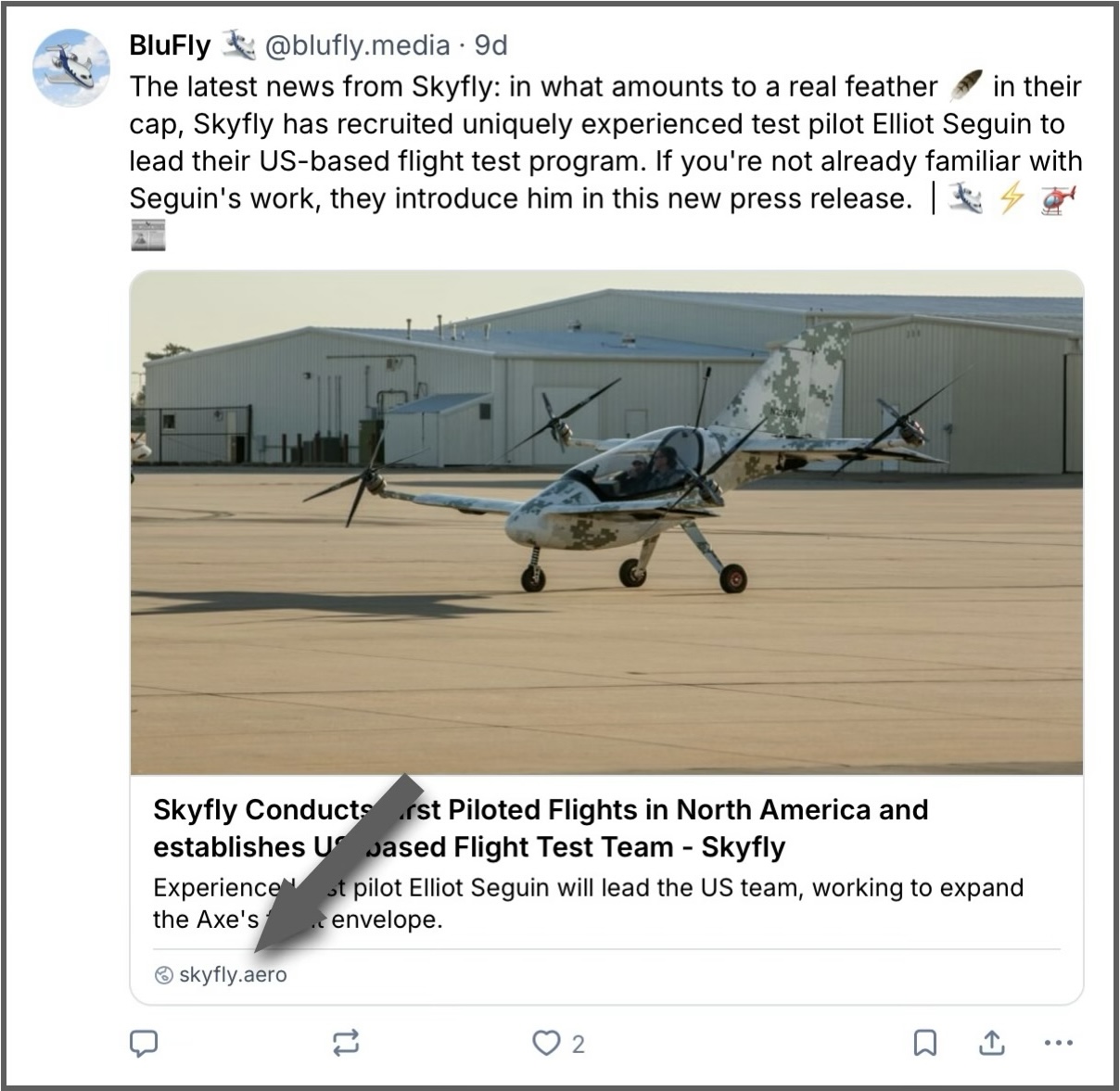
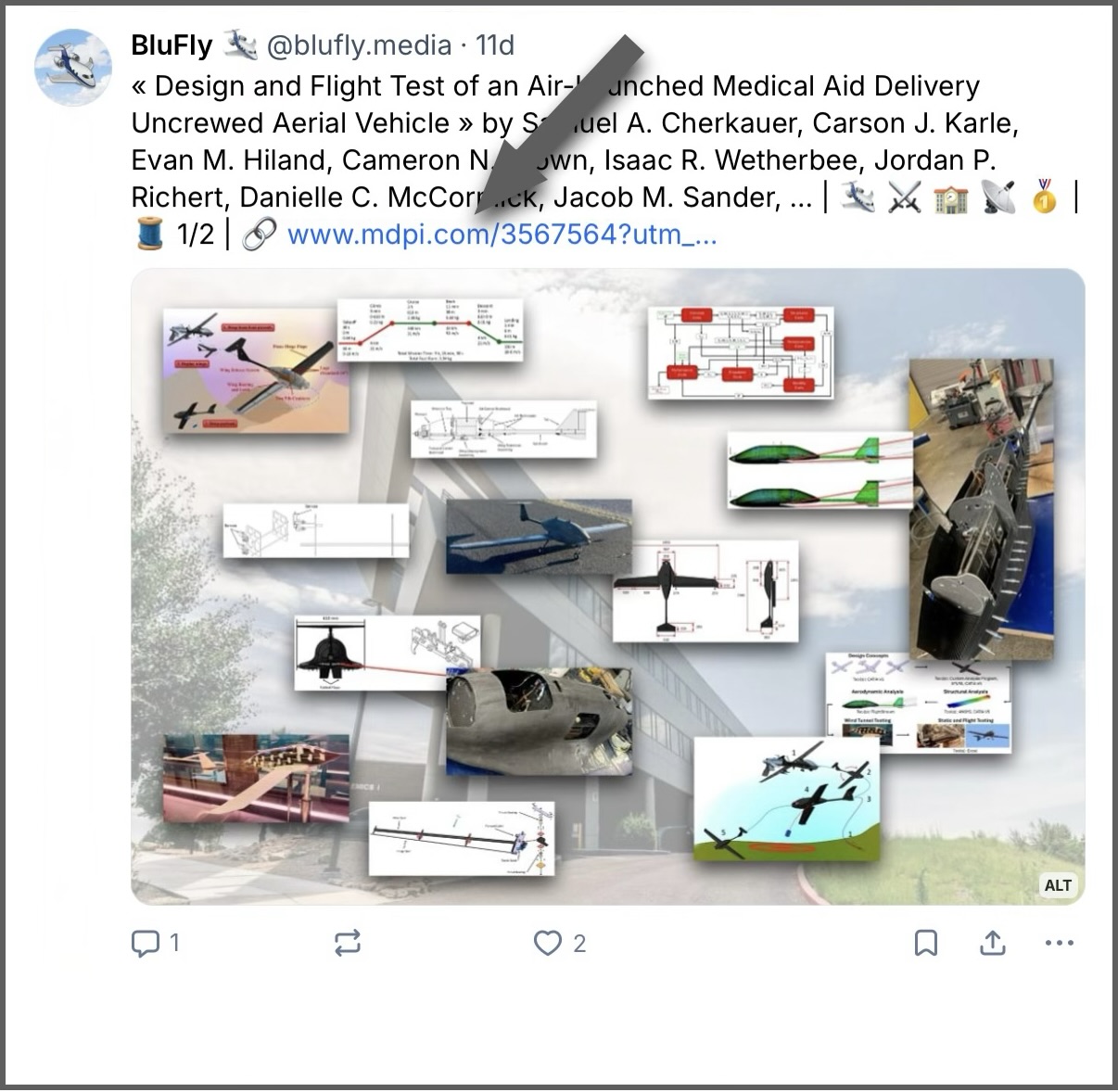
To that end, there are two ways you know exactly where you are going when you click one of these shared links, at least as they are presented here on BluFly. They're highlighted with these arrows superimposed on some recent posts:
If you don’t like the cut of the jib of the organisation to which you’re prospectively being sent with the link, you’re free to not click on the link. That is, before you actually do.
For the record, there are some scallywags out there for which I wouldn’t pass along one of their announcements if my life depended on it. They shall remain nameless, of course. Suffice it to say I’m sufficiently unconvinced by their story that I’m not willing to help them propagate the biggest scam perpetrated on the American public since One-Hour Martinizing as Kramer famously put it in an early episode of Seinfeld.
As my dear old Mum used to say, if you can't say something nice, then don't say anything at all. So I don't.
The Roy Bishop Stokes Aviation Book Christmas List
Myboyhood family had the truly great honour of having Roy Stokes in our lives. He was the head of the University of British Columbia's Library School from 1970 through 1982, which followed a similar tenure at the School of Librarianship at Loughborough Technical College in the United Kingdom.8 My father first met Roy at UBC’s Faculty Club, reciprocal dinner invitations were forthwith exchanged, and our respective families became lifelong friends thereafter.
What made Roy special and unique was his deep, learned knowledge of so many things in so many domains. Sir Francis Bacon was not the last man to know everything as is sometimes mythologised. It was Roy.
One of my fondest Christmas memories was his tradition of carefully selecting a book — one for each of my parents, one for each of my two siblings and one for me — reflective of our individual passions and interests. Of course, in my case, it was always something about flying. All of his selections were spot-on and were clearly the result of much thought and careful consideration. While Roy was giving us each a book, he was actually giving us his time, which I have come to understand was incalculably more valuable.
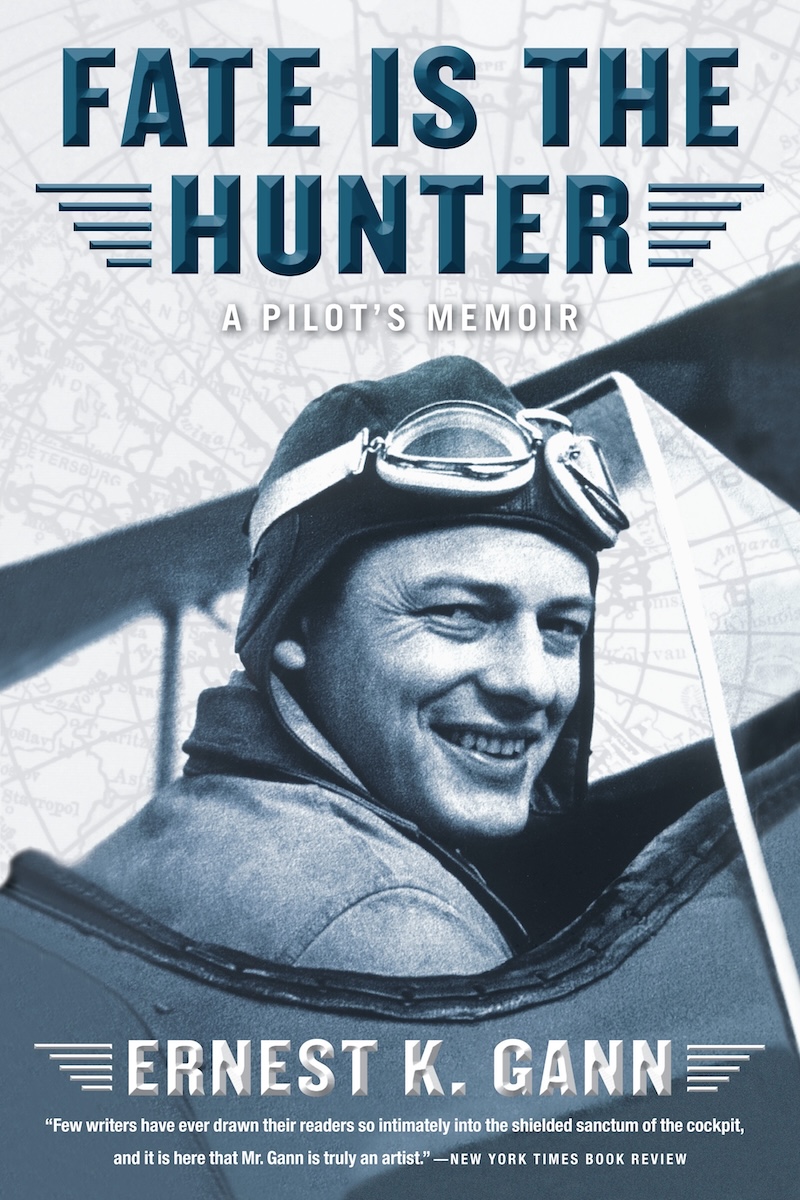
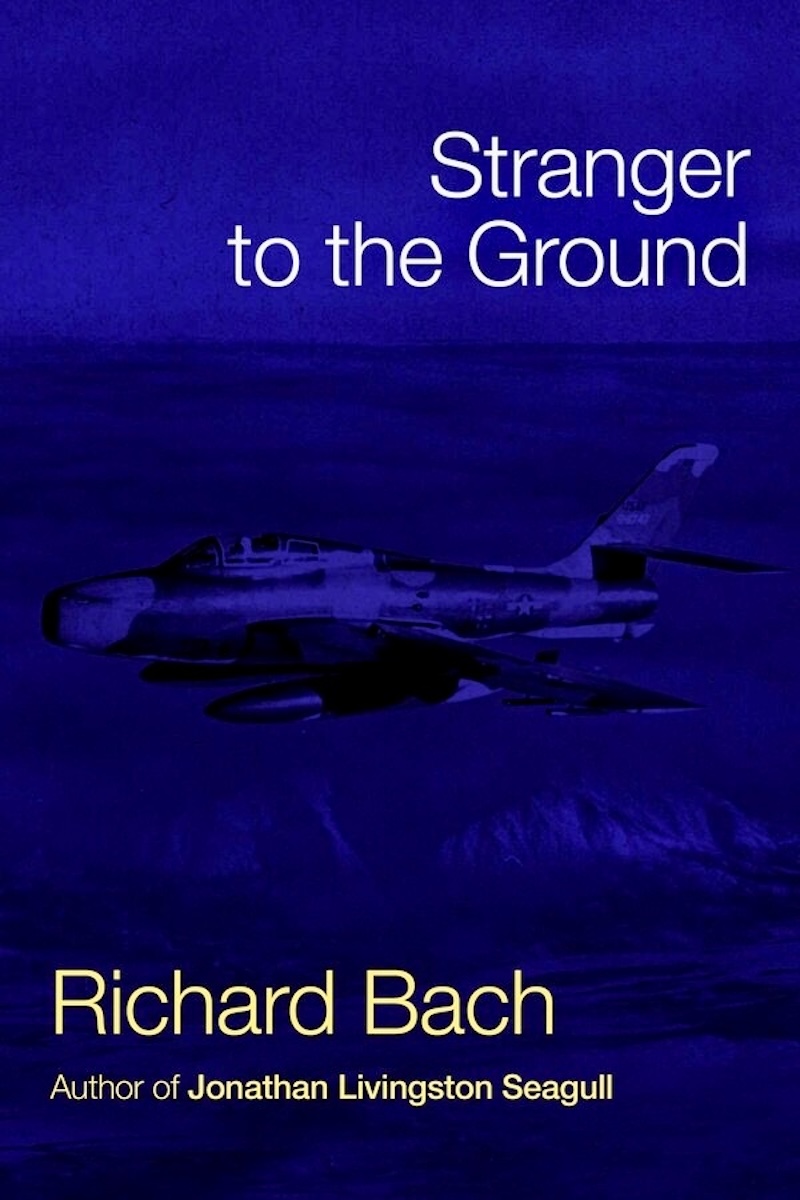
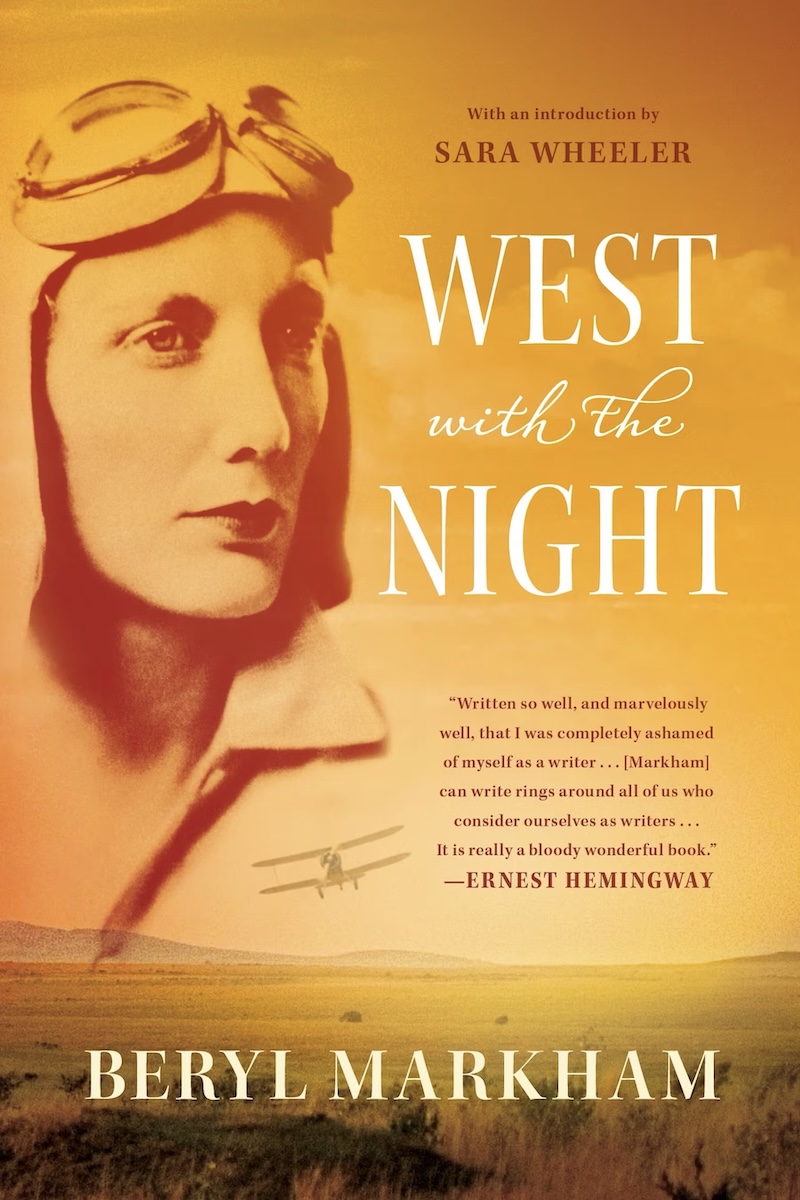
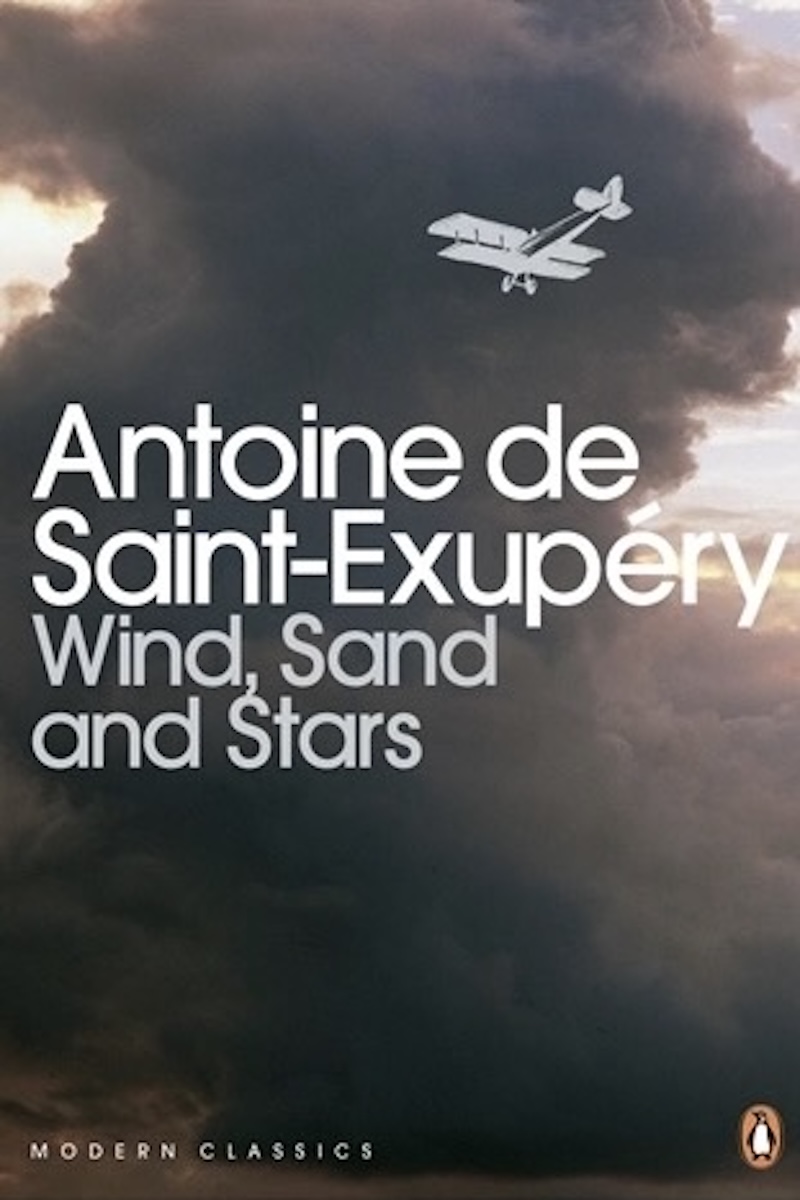
Although I can’t say for sure that the following titles were precisely a part of that tradition, they are certainly reflective of its spirit. Therefore, without further ado and named in his honour, the first annual Roy Bishop Stokes Aviation Book Christmas List (click/tap for more info on each):
Perhaps you, too, were fortunate enough to have a Roy Stokes in your life; someone who had or has a supernatural capacity for sensing your aviation interests and picking out exactly the right volume for your Christmas reading. If so, why not pass along their recommendation and we'll be happy to pass it along either now or in a future iteration of the RBSABCL. 🛩️
***
Is there anything else aviation-related on your mind you would like to share? I'd love to hear from you.9 Until then, thank you so much for reading and also for engaging with BluFly’s posts on Bluesky and LinkedIn.10 Otherwise, regardless of pricisely how you celebrate the upcoming holiday season — that would be Christmas in my household, but your mileage may vary — I wish each and every one of you the very best of health, happiness and prosperity.
Until we meet again next month and as always, fair winds and blue skies.

Terence C. Gannon
Managing Editor
This Month's Stories
This is what we managed to put together for you for December, with most recent at the top:
« Next Stop, Oshkosh, USA ▫️ It’s a historic moment for The Flying Bulls: in 2026, the team will cross the Atlantic for the very first time – making its US debut at the legendary EAA AirVenture … » (📸 Sebastian Marko / @redbull.com Content Pool) | 🛩️ 📅 📍 🇺🇸 🥇 | 🔗 www.flyingbulls.at/en/stories/n...
[image or embed]
— BluFly 🛩 (@blufly.media) December 29, 2025 at 3:54 PM
So, Boxing Day. 📦 See what we did there? | 🛩️ 📹 📍 🇨🇦
[image or embed]
— BluFly 🛩 (@blufly.media) December 26, 2025 at 6:27 PM
We simply can't believe another year has come and gone already — where does the time go? 🎅🏼 In any event, all of us here at the home office wish you and yours all the best for a happy and healthy Christmas. (📸 @usnhistory.bsky.social) | 🛩️ 🚁 ⚔️ 🥇 | 🔗 www.history.navy.mil/our-collecti...
[image or embed]
— BluFly 🛩 (@blufly.media) December 24, 2025 at 10:48 AM
Official Account Alert We're grateful and thankful for top-drawer @bsky.app users like @robpegoraro.com getting the word out (see below) about new, aviation-industry participants like @united.com coming on board. Please consider giving *both* a like/follow. (📸 United Airlines) | 🛩️ | 🔗 united.com
[image or embed]
— BluFly 🛩 (@blufly.media) December 23, 2025 at 8:01 AM
Christmas 🎄 has indeed arrived a couple of days early this year, what with this great new article 🎁 by veteran aviation journalist @markep.bsky.social writing for the National Air and Space Museum. Not to mention it's about airships, a perennial favourite around here. | 🛩️ 📡 ⚡️ 🎈 🥇
[image or embed]
— BluFly 🛩 (@blufly.media) December 23, 2025 at 7:03 AM
« Leveraging learnings from Wisk’s previous five generations of aircraft and more than 1,750 test flights, Gen 6 is the first-ever candidate for an FAA-certified commercial autonomous passenger aircraft in the U.S., with launch markets including Houston, Los Angeles, and Miami … » | 🛩️ ⚡️ 🚁 📰 🥇
[image or embed]
— BluFly 🛩 (@blufly.media) December 22, 2025 at 4:21 PM
Okay, this looks like fun, at least if you live in the vicinity of beautiful Colorado Springs or happen to be passing through. Makes us wonder how many restaurants there are where you can similarly dine inside an aircraft; do you know of one? | 🛩️ 🍽️ 📍 🇺🇸 🥇 | 🔗 theairplanerestaurant.com?utm_source=b...
[image or embed]
— BluFly 🛩 (@blufly.media) December 22, 2025 at 10:45 AM
From the Tekniska Museet, via the DigitaltMuseum website, an artefact with the intriguing caption reading, in part « from a box marked: "Bernt Balchen" » and furthermore marked « The glider and the C-47 after landing at the North Pole ». Just wow. | 🛩️ ⚔️ 🪽 📍 🇸🇪 🥇 | 🔗 digitaltmuseum.org/021011319916...
[image or embed]
— BluFly 🛩 (@blufly.media) December 21, 2025 at 3:17 PM
As far as tributes to the anniversary of the Wright Brothers’ first flight a couple of days ago, this is going to be hard to beat, as documented in this story by Caroline Parker writing for the @educationnc.bsky.social website. | 🛩️ 🏫 📍 🇺🇸 🥇 | 🧵 1/2
[image or embed]
— BluFly 🛩 (@blufly.media) December 20, 2025 at 3:51 PM
It's been a while since we've had a Fine Art Friday, and we're inclined to re-launch this series having stumbled on these two, possibly related works by John Northcote Nash. There is this finished product, found at the @rafmuseum.bsky.social, and then there appears to be ... | 🛩️ ⚔️ 🦆 🎨 🥇 | 🧵 1/2
[image or embed]
— BluFly 🛩 (@blufly.media) December 19, 2025 at 4:14 PM
We think everybody wins in this story: @lanetitans.bsky.social and the students participating in their Aviation Unmanned Aircraft Systems program; the Oregon Department of Aviation; the people of Oregon state, not to mention the great forests the initiative is helping to protect. | 🛩️ 📡 🏫 🥇
[image or embed]
— BluFly 🛩 (@blufly.media) December 18, 2025 at 9:52 AM
If you needed yet another reason to visit the @shuttleworthtru.bsky.social — there are currently fifty-three — here's another one: this exquisite, privately owned Hurricane will now reside amongst the collection. (📸 ©2025 The Shuttleworth Trust) | 🛩️ ⚔️ 📍 🏴 🥇 | 🔗 www.shuttleworth.org/about/about-...
[image or embed]
— BluFly 🛩 (@blufly.media) December 18, 2025 at 9:03 AM
On this December 17th, there's no better way of marking the 122nd anniversary of the Wright's first flight at Kitty Hawk than reading their original diary, presumably written on the day and available with this link to the marvellous @librarycongress.bsky.social. | 🛩️ 🥇 | 🔗 www.loc.gov/resource/mss...
[image or embed]
— BluFly 🛩 (@blufly.media) December 17, 2025 at 10:57 AM
We have previously mentioned the retirement of the Harrier AV-8B to the Tillamook Air Museum. Turns out there was another reporter in the crowd on hand: Lillian Battey, on assignment for the TEACH-NW student publication … (📸 Lillian Battey) | 🛩️ ⚔️ 🚁 📍 🇺🇸 🥇 | 🧵 1/2 | 🔗 sites.google.com/teach-nw.com...
[image or embed]
— BluFly 🛩 (@blufly.media) December 17, 2025 at 9:11 AM
Official Account Alert It's been a while since we had an opportunity to do one of these, so we're thrilled to see startup EVIO Aircraft (@evioaircraft.bsky.social) arrive on @bsky.app. Please join us in welcoming them and consider giving them a follow. (📸 EVIO Aircraft) | 🛩️ ⚡️ | 🧵 1/3 | 🔗 evio.aero
[image or embed]
— BluFly 🛩 (@blufly.media) December 15, 2025 at 4:07 PM
As winter settles in, we're reaching back to this past summer for this great story by Kevin Garrison, writing for @avbrief.bsky.social, entitled « Flying Is an Art » and accompanied by this summery image of one of Van's RV-12s near Sunriver, Oregon. (📸 Ed Hicks) | 🛩️ 🥇 | 🔗 avbrief.org/flying-is-an...
[image or embed]
— BluFly 🛩 (@blufly.media) December 15, 2025 at 2:47 PM
There are few newsletters we more eagerly anticipate than the ones from AirCorps Aviation out of beautiful Bemidji, Minnesota. Work on 'Shillelagh', their P-51B project for the Dakota Territory Air Museum of Minot, North Dakota, continues apace. (📸 Chuck Cravens | AirCorps Aviation) | 🛩️ ⚔️ 📍 🇺🇸 🥇
[image or embed]
— BluFly 🛩 (@blufly.media) December 12, 2025 at 11:24 AM
New from @dlr-en.bsky.social: « Climate Strategy Put to the Test: Reducing Contrails ▫️ DLR is working together with 17 partners from research and industry to investigate how contrails can be avoided, reduced and made more climate-compatible. » (📸 See ALT) | 🛩️ 🏫 📰 🥇 | 🔗 www.dlr.de/en/latest/ne...
[image or embed]
— BluFly 🛩 (@blufly.media) December 11, 2025 at 9:10 AM
Another story we have been tracking for a while is the immaculate — but, sadly, non-flying — restoration of Lufthansa Group's Lockheed Constellation Super Star at their new conference centre at Frankfurt Airport. More photos with link. | 🛩️ 📍 🇩🇪 🥇 | 🔗 newsroom.lufthansagroup.com/en/tail-sect...
[image or embed]
— BluFly 🛩 (@blufly.media) December 10, 2025 at 11:29 AM
A new episode of the Behind The Wings® podcast just dropped: this time, retired test pilot Rogers E. Smith speaks with host Rick Crandall. Fans will delight in Smith's *detailed* description of flying the iconic SR-71 Blackbird. (📸 Jim Ross | NASA) | 🛩️ 🎙️ ⚔️ 📍 🇺🇸 🥇 | 🔗 wingsmuseum.org/resources/po...
[image or embed]
— BluFly 🛩 (@blufly.media) December 9, 2025 at 8:56 AM
This is a story we've been following for a while, so it's nice to see it finally come to commercial fruition: today Bombardier presented the keys for its first Global 8000 delivered to its new owner, Canadian entrepreneur Patrick Dovigi. The entire press release with link. (📸 Bombardier) | 🛩️ 📰 🥇
[image or embed]
— BluFly 🛩 (@blufly.media) December 8, 2025 at 4:42 PM
« MIT Engineers Design an Aerial Microrobot That Can Fly as Fast as a Bumblebee ▫️ With insect-like speed and agility, the tiny robot could someday aid in search-and-rescue missions. » by Adam Zewe | MIT News (📸 MIT Soft and Micro Robotics Laboratory) | 🛩️ 📡 🦅 🤖 📹 🥇 | 🔗 news.mit.edu/2025/mit-eng...
[image or embed]
— BluFly 🛩 (@blufly.media) December 8, 2025 at 3:41 PM
One might think flight operations at a gliding club are already pretty green. However, Dave Unwin, writing in an interesting new article for the @aerosociety.bsky.social, believes there are still many opportunities for improvement, including the use of Gravitation Potential Energy (GPE). | 🛩️ 🪽 ⚡️ 🥇
[image or embed]
— BluFly 🛩 (@blufly.media) December 8, 2025 at 11:30 AM
We regularly feature the diverse range of great missions flown by @lighthawk-org.bsky.social. However, of the unusual projects in which they have been engaged, this sets a new bar: flying endangered masked bobwhite quail destined for release in … | 🛩️ 🥇 | 🧵 1/2 | 🔗 www.lighthawk.org/what-we-do/c...
[image or embed]
— BluFly 🛩 (@blufly.media) December 6, 2025 at 1:03 PM
An interesting-sounding webinar coming up Monday, December 8, 2025: « Beyond Batteries: Why Hybrid-Electric Solves What eVTOLs Can't » presented by Hangar X Studios, and featuring panelists from VerdeGo Aero, SMG Consulting, and Horizon Aircraft. | 🛩️ ⚡️ 📅 📍 🌎 | 🔗 hangarxstudios.com/beyond-batte...
[image or embed]
— BluFly 🛩 (@blufly.media) December 5, 2025 at 5:01 PM
Based on the paper magazine emulation platforms we've come across so far, we think Joomag does the best job: nice and quick, intuitive navigation, and individual pages can be shared, as we're doing here. The folks at Northwest Aerospace News employ it: give it a try and see what you think. | 🛩️ 🥇
[image or embed]
— BluFly 🛩 (@blufly.media) December 5, 2025 at 2:17 PM
A great new article by Jen Boyer writing for Vertical Magazine wherein pilot Franck explains that success in the job is a combination of superior piloting skills coupled with a cinematographer’s sensibilities. It's a rare combination, explaining why there is only a handful of such pilots. | 🛩️ 🚁 🧰 🥇
[image or embed]
— BluFly 🛩 (@blufly.media) December 4, 2025 at 12:08 PM
Candidly, we're still more excited about the civilian applications for the EL9. However, the notion of a fleet of EL9s flying off a flat top bolted to what appears to be a repurposed oil tanker is compelling. Perhaps also for disaster relief? | 🛩️ ⚡️ ⚔️ 📹 📰 🥇 | 🔗 www.electra.aero/news/electra...
[image or embed]
— BluFly 🛩 (@blufly.media) December 4, 2025 at 9:34 AM
With this issue, it's almost all she wrote for 2025. 💥 We kick off with Editor @terencecgannon.com enthusing about Japanese animé. He then takes a crack at the practice of directly linking press releases and then wraps up with the first annual Roy Bishop Stokes Aviation Book Christmas List. | 🛩️ 🥇
[image or embed]
— BluFly 🛩 (@blufly.media) December 1, 2025 at 3:39 PM
Note that the embedded posts above are from the Bluesky 🛩️ Custom Feed11 which is the reference feed for BluFly.