Silver Spitfire Summer
What started as a dream for a young modeller winds up with an unforgettable father-and-son adventure.
By Jörg Lange
Many have asked how the Silver Spitfire model came to fruition and how Konrad came to fly it at the World Championship. I thought the easiest way to answer would be to simply tell the story from my perspective as his father.
***
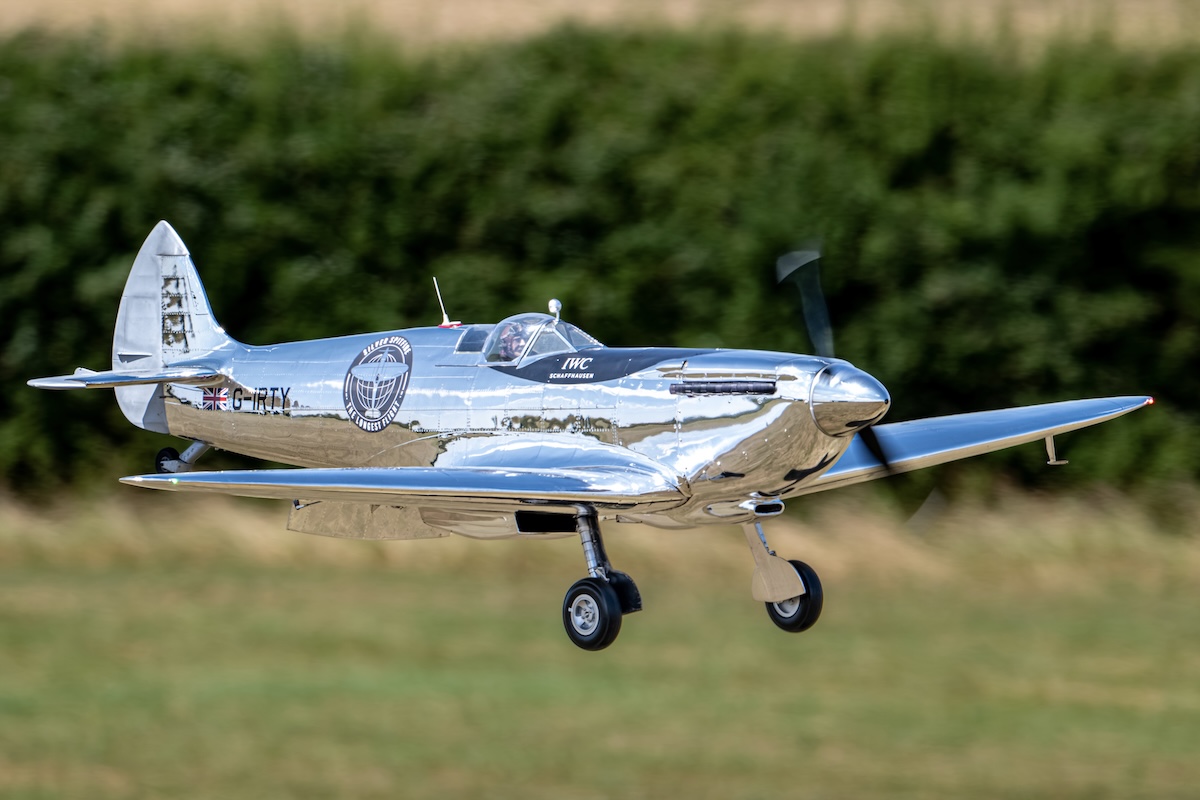
Konrad has loved aircraft for as long as he can remember. Like many young aviation enthusiasts, he has always been fascinated not only by flying itself, but also by the history behind historic aeroplanes and the people who flew them. Of all aircraft, the Supermarine Spitfire has always been his favourite. Its elegant lines, its engineering, and its history captured his imagination from an early age.
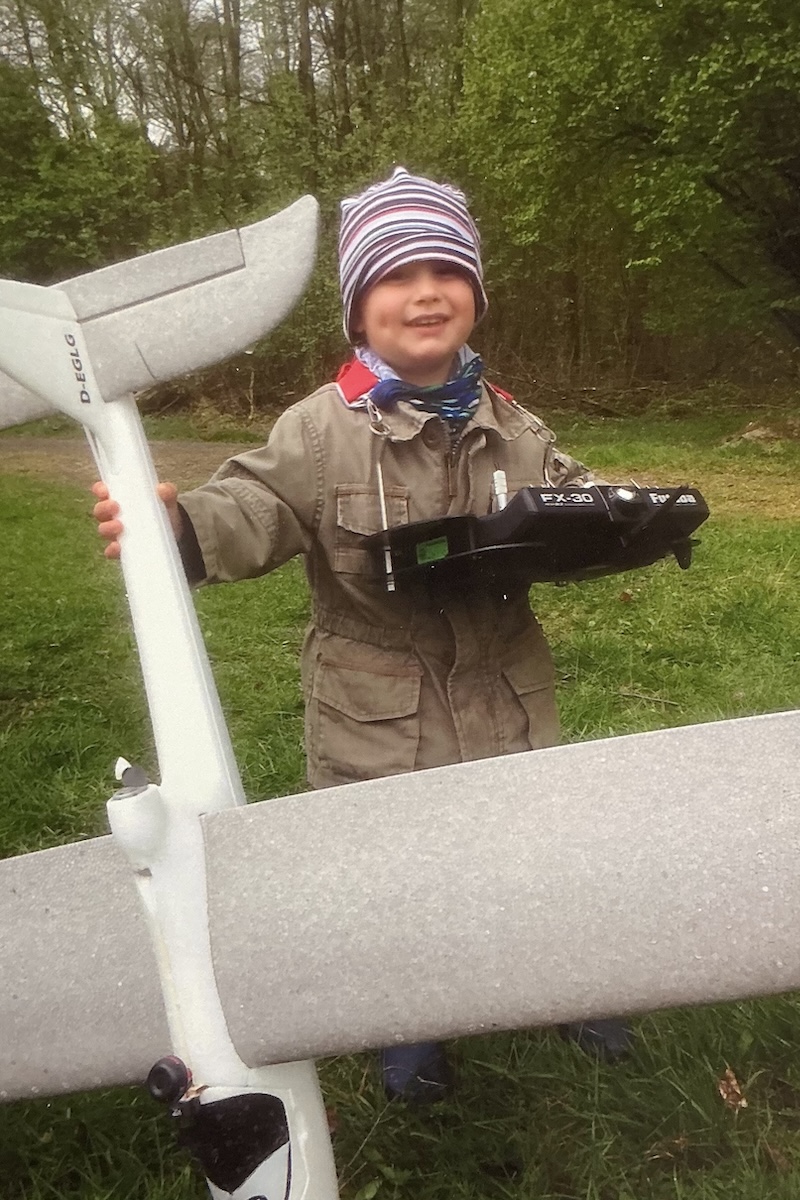 When the Silver Spitfire completed its remarkable round-the-world flight, Konrad said to me one day, I’d like to build exactly that aeroplane. At the time, it was simply the dream of a young modeller. Neither of us imagined where that dream would eventually lead.
The project gradually became a father-and-son adventure. Konrad brought the enthusiasm and determination. I wanted to encourage that passion, but F4H Scale competition was completely new territory for me as well. Neither of us had ever built a model intended to compete in a World Championship before.
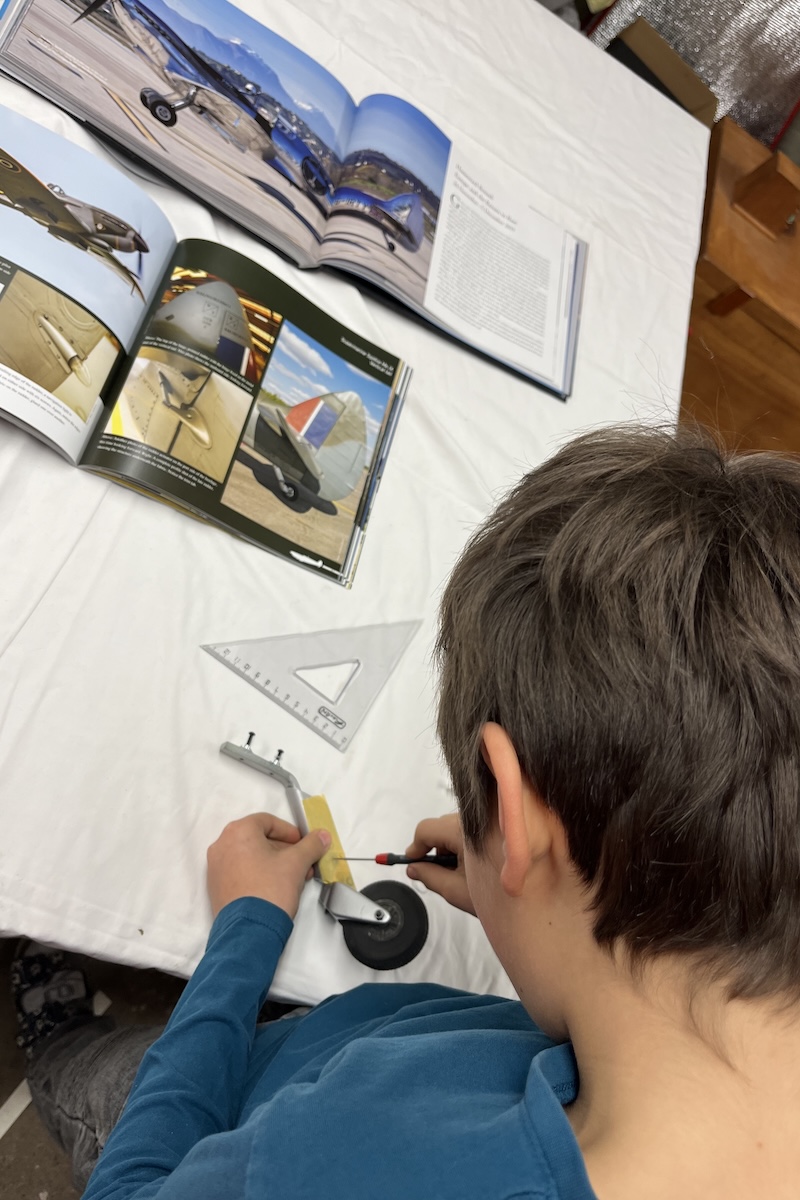
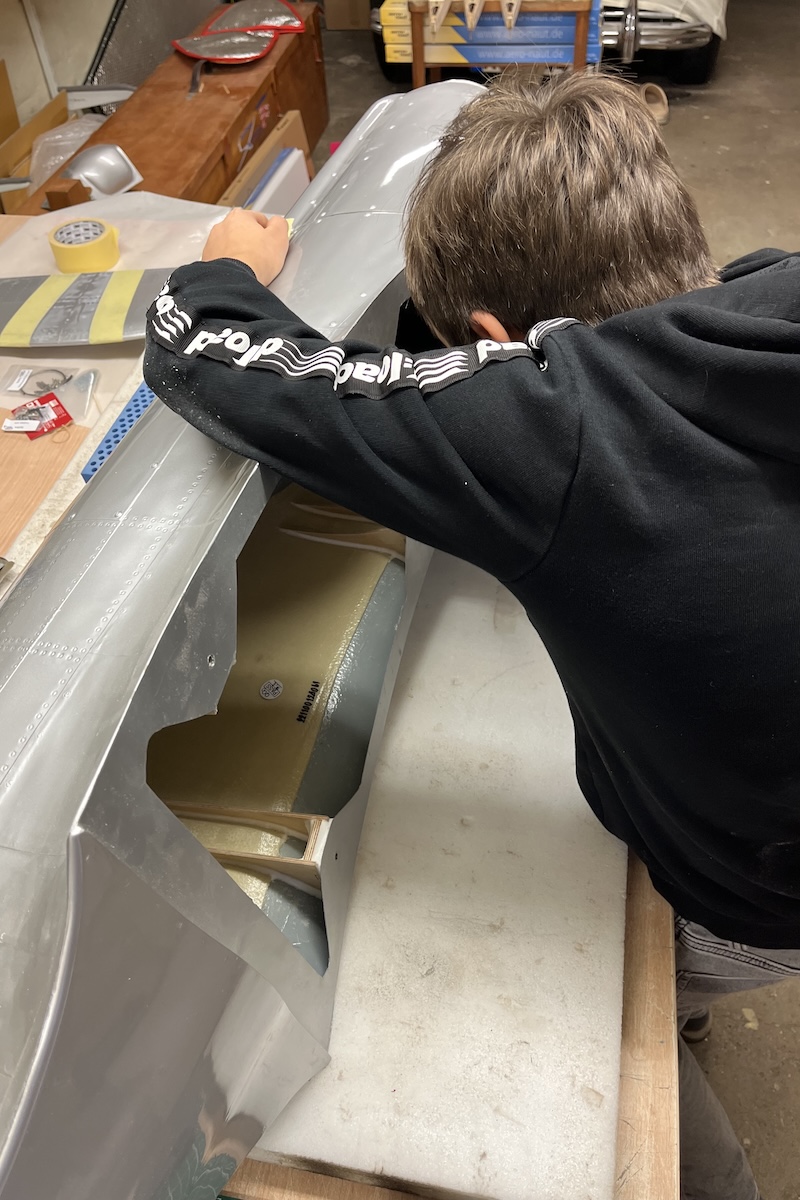
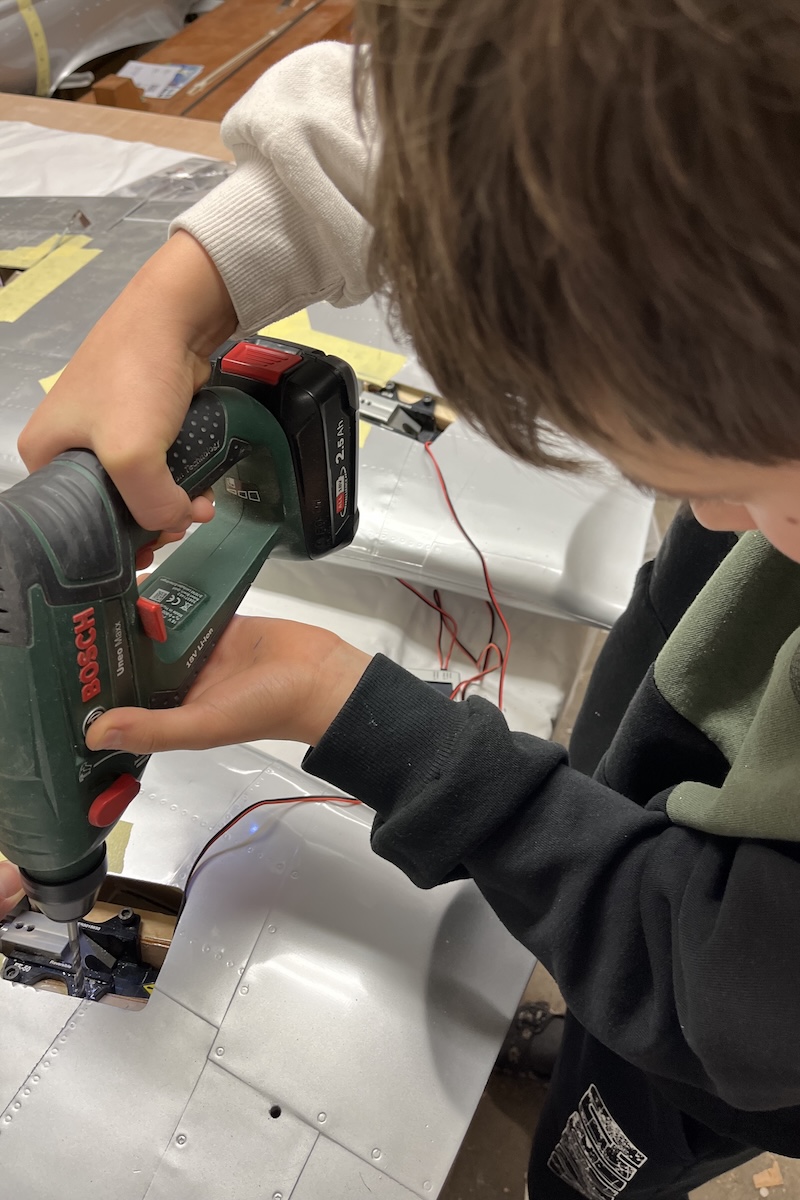
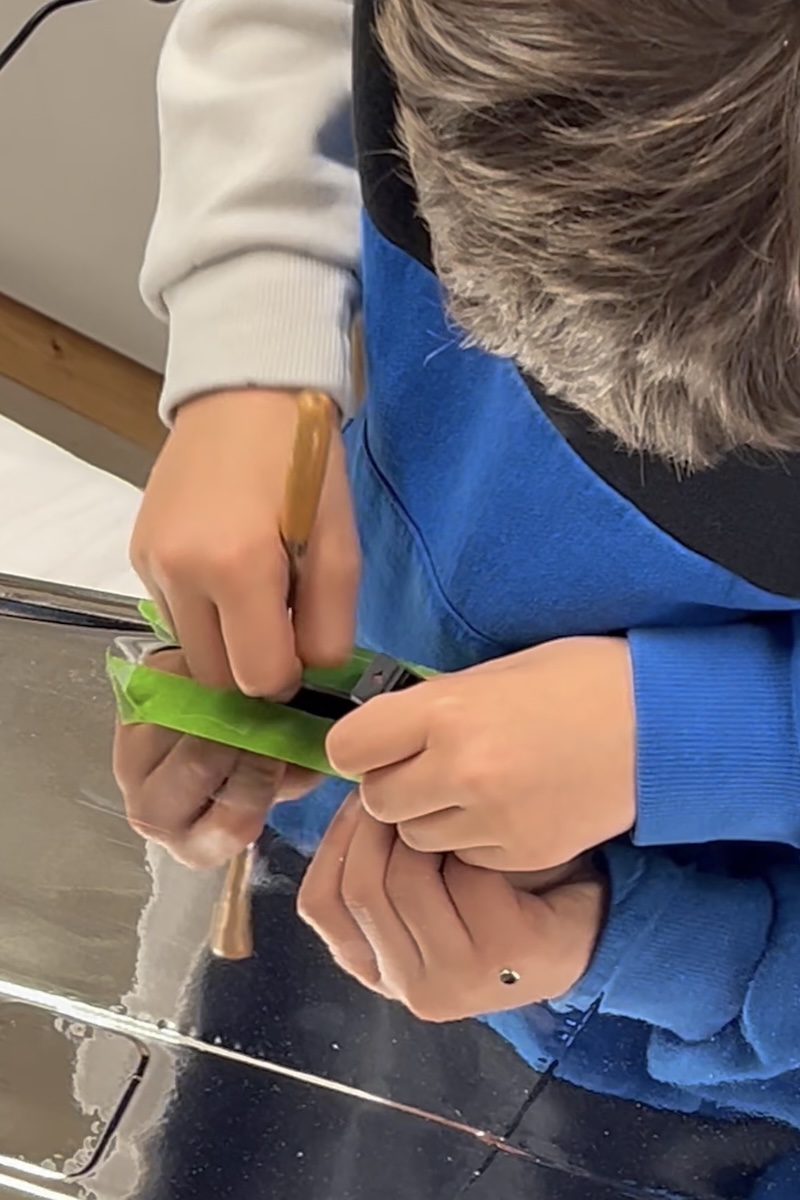
Like many good projects, this one did not begin with a detailed master plan. It simply grew step-by-step. The workshop then became our shared classroom. Whenever possible, I wanted Konrad to do the work himself. He learned how to sand components until they were perfectly smooth, how to apply filler, sand everything again, paint parts, and assemble details with patience.
Just-In-Time Manufacturing
While the entire Silver Spitfire build is simply too vast to describe in minute detail, one small example perhaps illustrates the whole project quite well:
After learning what made an authentic Spitfire propeller look convincing, we designed and printed our own propeller components on our home 3D printer.
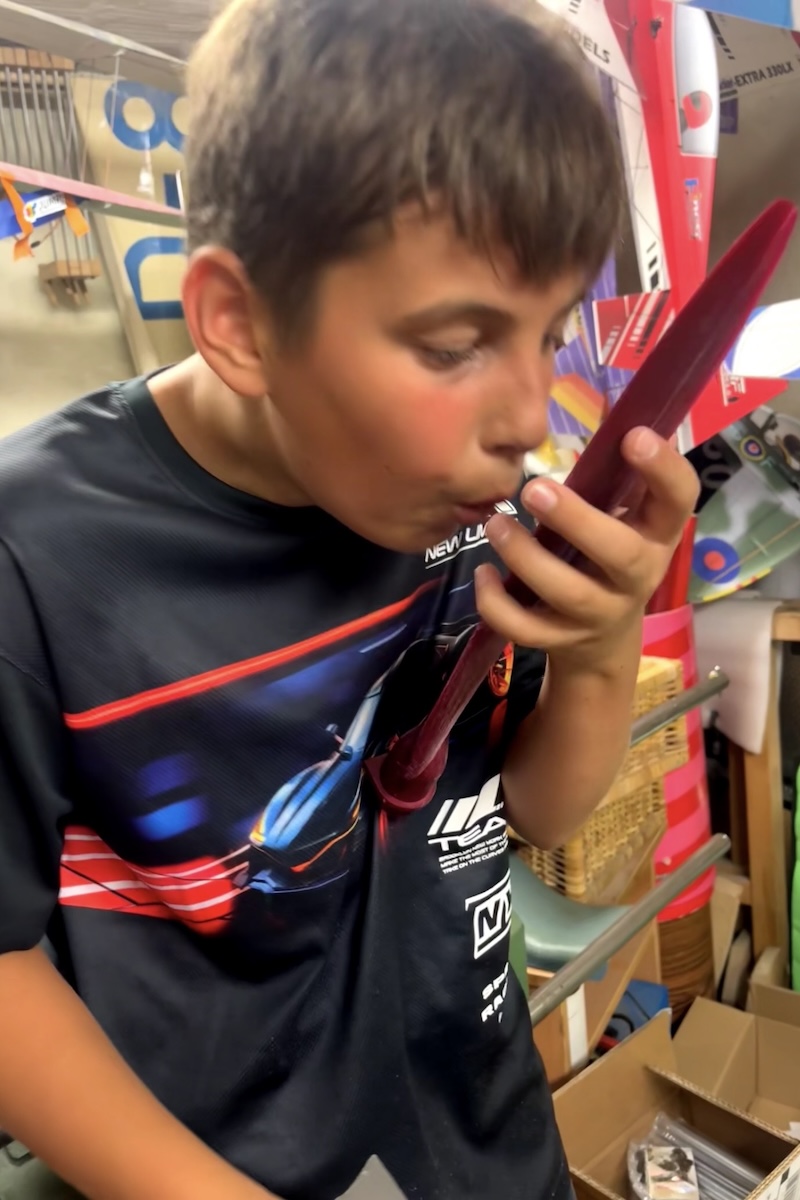
Konrad carefully sanded and filled the printed parts before painting the propeller in black himself. I mostly stood beside him, explaining which thinner to use for cleaning the brushes and making sure his enthusiasm didn’t end with half the garage wearing a coat of black paint.
Using photographs of the original Silver Spitfire, we recreated the manufacturer’s markings as custom water-slide decals, printed them at home, and sealed them with clear lacquer. The decals were actually drying while we were already driving to England.
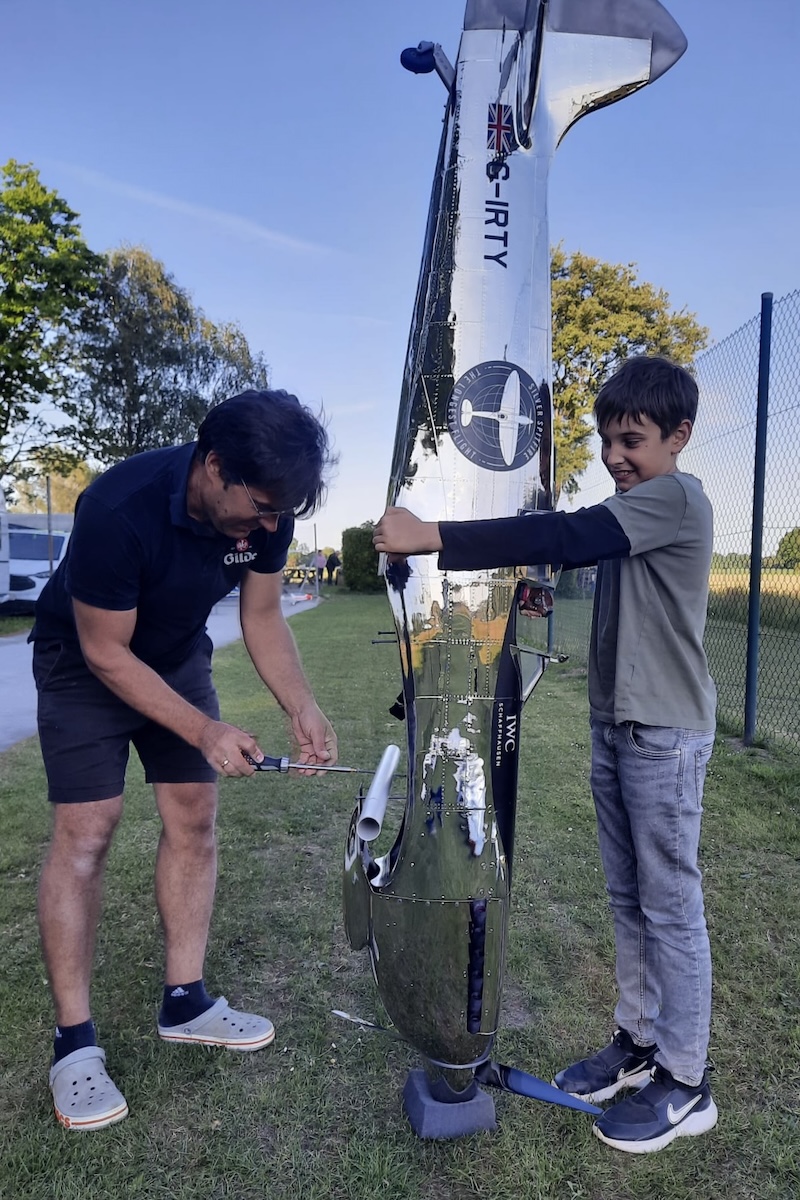
Only after arriving at our campsite—located directly on the British Model Flying Association (BMFA) site just a few steps from the model tent, the flight line, and the main buildings—did Konrad cut out each individual marking, soak them in water, and carefully apply them to the finished propeller, exactly as he would have done on one of his plastic scale models.
For me, that perfectly summed up the entire project. Konrad was never simply helping me build a model. He was genuinely learning the craft himself, setting goals, and then working diligently toward achieving them.
Game On
On January 7, 2026, Konrad was officially selected for the German F4H National Team. From that moment on, our project gained a completely new dimension. What had started as the dream of a young modeller suddenly became the preparation for representing Germany at the Fédération Aéronautique Internationale (FAI) World Championship hosted by the BMFA at Buckminster in the United Kingdom.
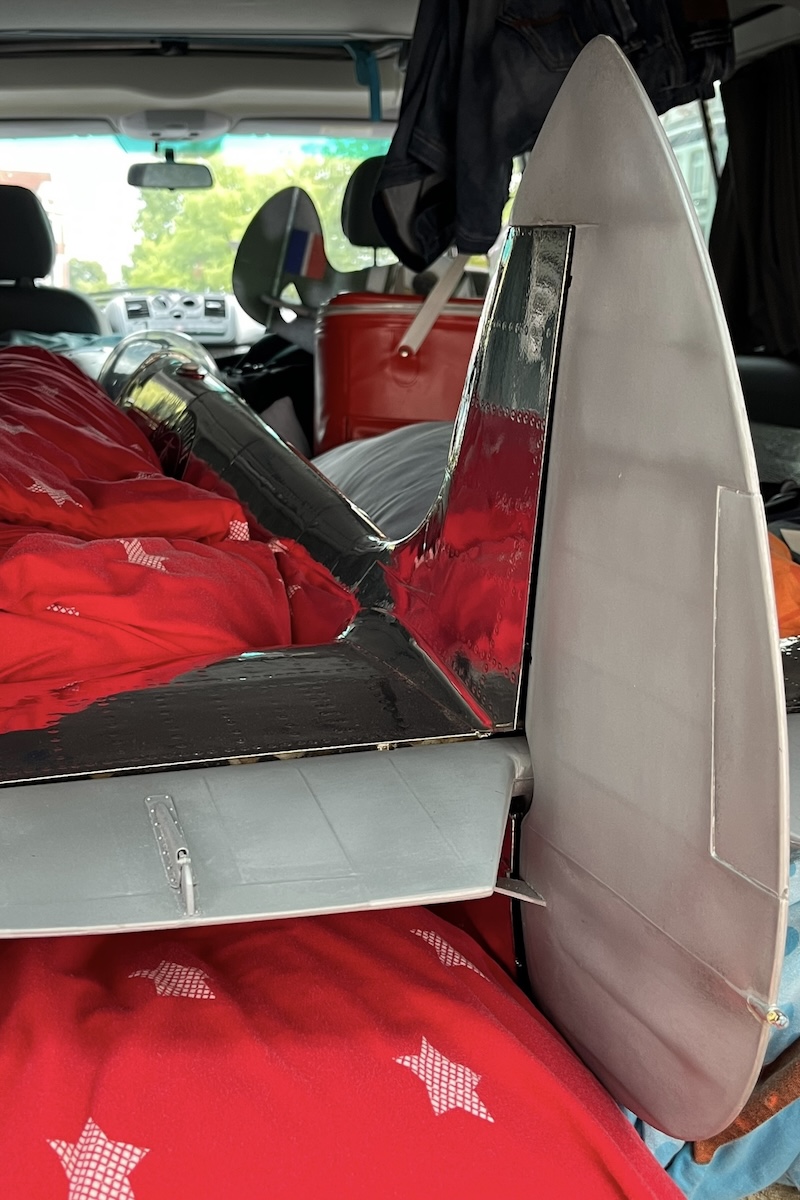
Of course, building the model was only one part of the challenge. Turning it into a properly matched competition aircraft was another. The Spitfire needed enough power for the F4H flying programme, but simply overpowering a scale aircraft was never the answer; its performance still had to look convincing in the air. Cooling also required careful thought, as we wanted to avoid conspicuous additional openings that would spoil the scale appearance. Hacker Motor GmbH 1 supported us throughout the development of the electric power system, servos, RC installation and flight batteries, while the final competition propeller was developed with Falcon Propellers.2 It took a good deal of calculation, testing and fine-tuning to make the complete package work as we wanted.
Even the best scale model is of little value if the pilot cannot fly it well. Konrad had spent the previous two seasons competing in the Europa Star Cup (ESC)3 with his Gee Bee. He won the overall championship in both 2024 and 2025, but even more importantly, those competitions taught him the precision, consistency, and aircraft handling that would later prove invaluable in F4H Scale competition.
Throughout this period, he was coached by Thomas Brandt, who acted as his caller and mentor. Looking back, every single ESC competition in Austria, Belgium, Germany, and Poland became another valuable training session for what would eventually be the World Championship.
The timing also helped us enormously, as the World Championship took place during the Lower Saxony summer holidays, making it possible for a twelve-year-old young man to represent Germany without having to miss school.
On The Championship Flight Line
Buckminster presented completely different challenges, particularly the strong and often gusty crosswinds, but the flying skills Konrad had developed during those two years allowed him to fly the Silver Spitfire with confidence under demanding conditions.
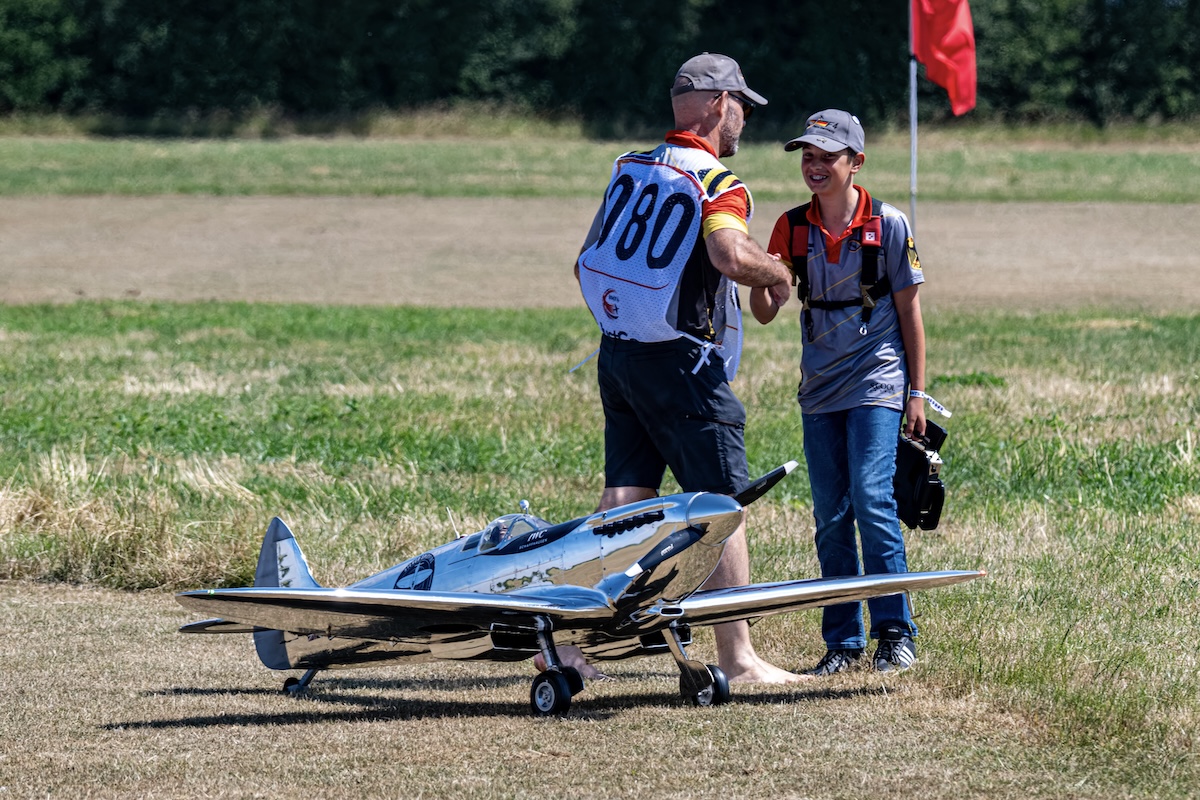
Thomas Brandt was unfortunately unable to join us in Buckminster. However, Konrad was extremely fortunate to have Marcus Hausmann as his caller during the World Championship. Marcus did an outstanding job, supporting him calmly and professionally during the important scoring flights, and I am very grateful for everything he did.
After his third competition flight, Konrad achieved a perfect score of 1000 points. We knew there were still six F4H flights remaining, so we also knew that this score could very well be surpassed. Nevertheless, it was a very special feeling to see his name at the top of the scoreboard overnight. For one evening, the youngest competitor at the World Championship was leading the F4H class with a perfect flight.
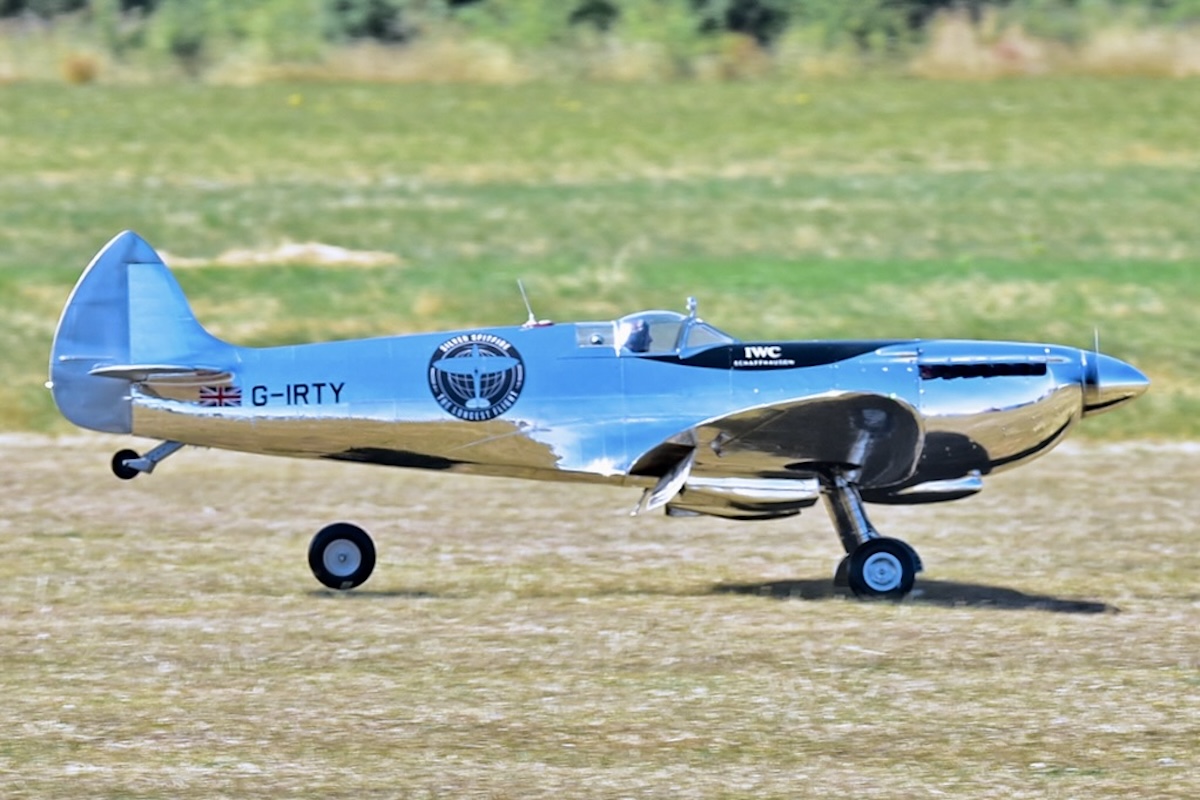
One of the moments we will never forget was the landing during which the Silver Spitfire lost a wheel. Fortunately, Konrad was able to keep the model under control and bring it safely to a stop without any damage. The incident quickly became one of the talking points around the flight line.
By the end of the World Championship, he had finished tenth overall, becoming the highest-placed German pilot in the F4H class despite being the youngest competitor at the entire championship.
Naturally, we were both very proud of that result.
Expectations Set and Exceeded
Before leaving Germany, people often asked him what Konrad hoped to achieve. Of course, he wanted to fly well. But, interestingly, his answers rarely focused on results. There were actually two wishes that meant even more to him: he wanted to see a real Spitfire flying, and he hoped that perhaps he might meet someone who had actually flown one. England fulfilled both dreams.
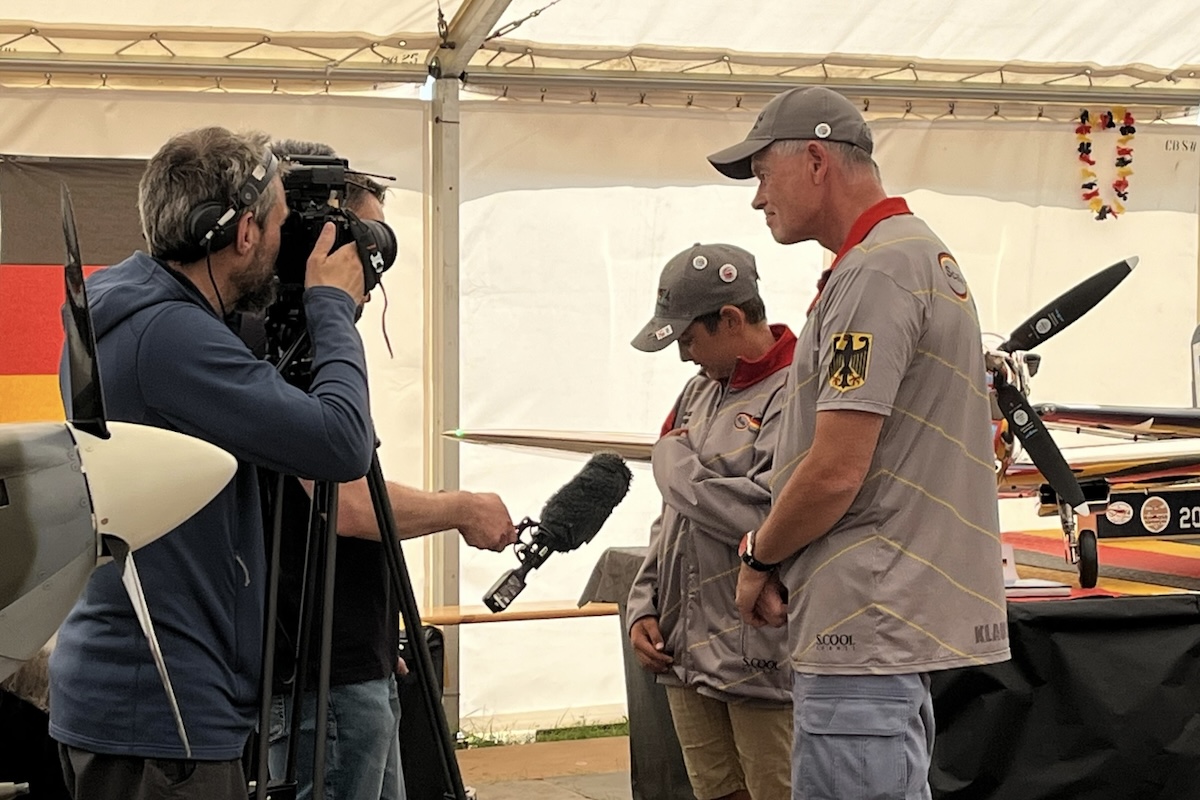
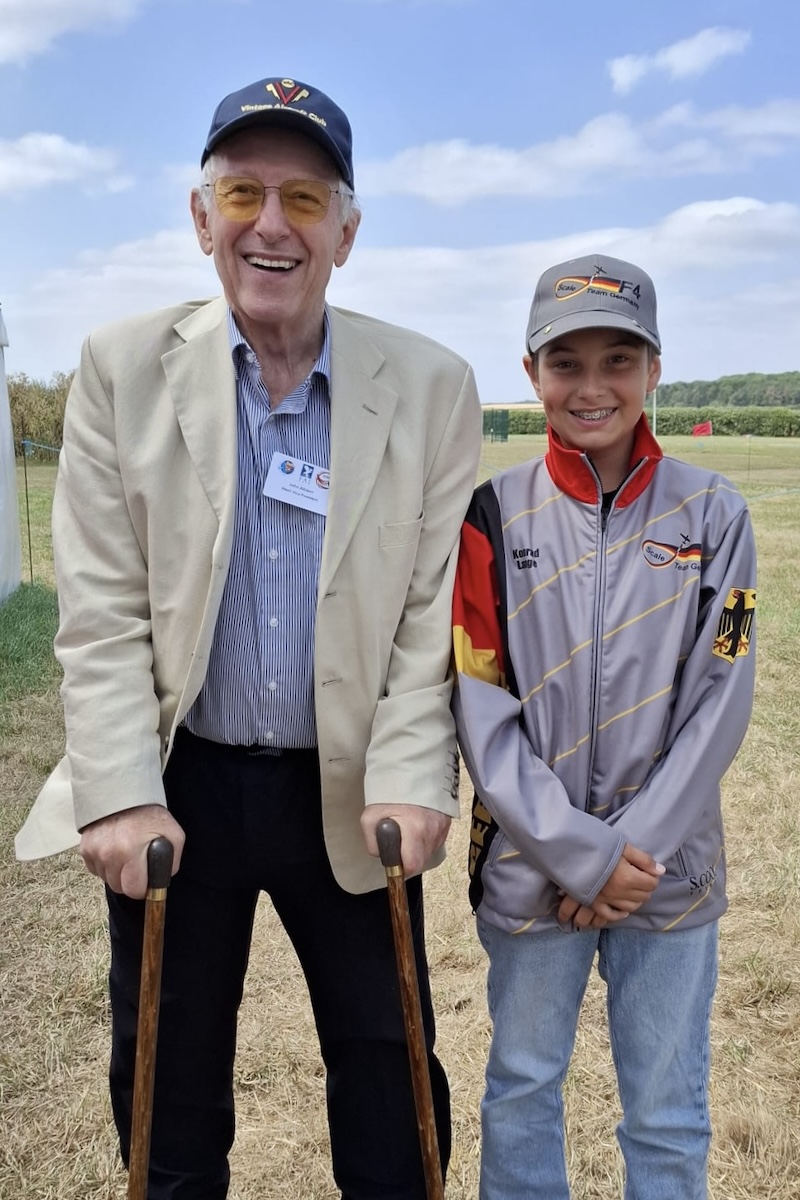 Konrad had the privilege of meeting Air Chief Marshal Sir John Allison, former Commander-in-Chief of RAF Strike Command, who has flown the Spitfire extensively in the post-service display world. Sir John admired the Silver Spitfire, spent time talking warmly with Konrad, and happily signed his cap.
A few days after returning home, another surprise arrived: Sir John sent Konrad a personal email. He congratulated him on his flying and attached two photographs from his own childhood.
Long before becoming a Spitfire pilot, Sir John had been an aeromodeller himself, building and flying simple free-flight models. One photograph showed him with a rubber-powered Keil Kraft Achilles. The other showed his treasured Radio Queen, which, remarkably, he still owns today. He ended his email with a sentence that I think perfectly captures everything this journey has meant:
From small beginnings came an entire career and a lifelong passion.
For a twelve-year-old boy who had admired the Spitfire for years, history had suddenly become very personal.
So Many Special Memories
Buckminster quickly became much more than a competition. For us, it became a place where friendships crossed national borders. Pilots exchanged ideas. Families met. Experienced competitors encouraged younger ones.
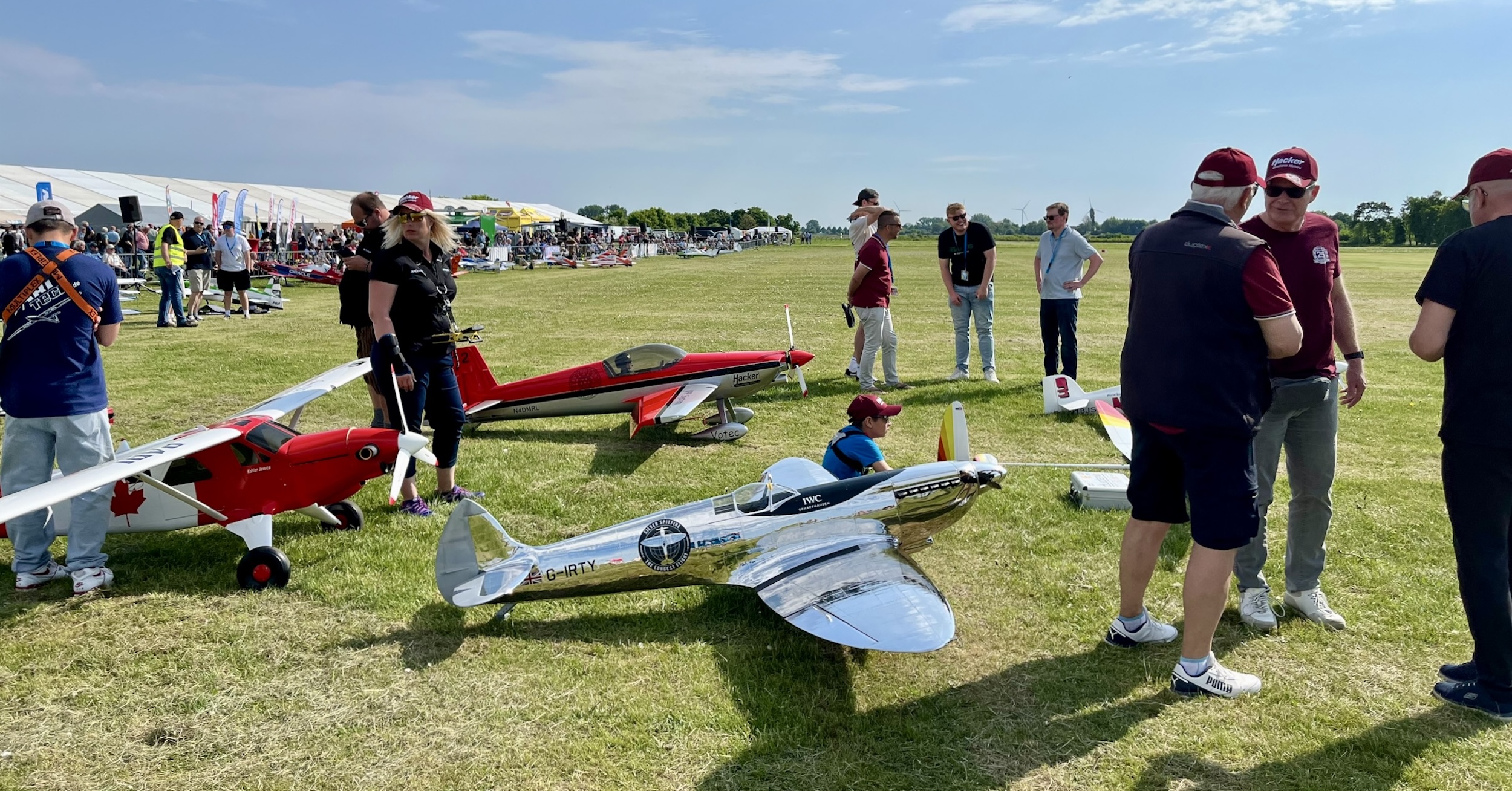
 I particularly enjoyed seeing three beautifully unique Spitfires standing side by side. All had evolved from the same original design, yet each had been interpreted completely differently by their respective builders.
The BMFA featured his model on its official FAI World Championship social media channels, highlighting the twelve-year-old German pilot and his unique IWC Silver Spitfire.
During the closing dinner, Konrad received another very special surprise. The BMFA presented him with a beautifully framed photograph of his Silver Spitfire, inscribed Awarded for excellence, from all at the BMFA. It was an unexpected gesture of appreciation that meant a great deal to him.
 Most importantly, I think about everything Konrad brought home from Buckminster as a result of his hard work and perseverance:
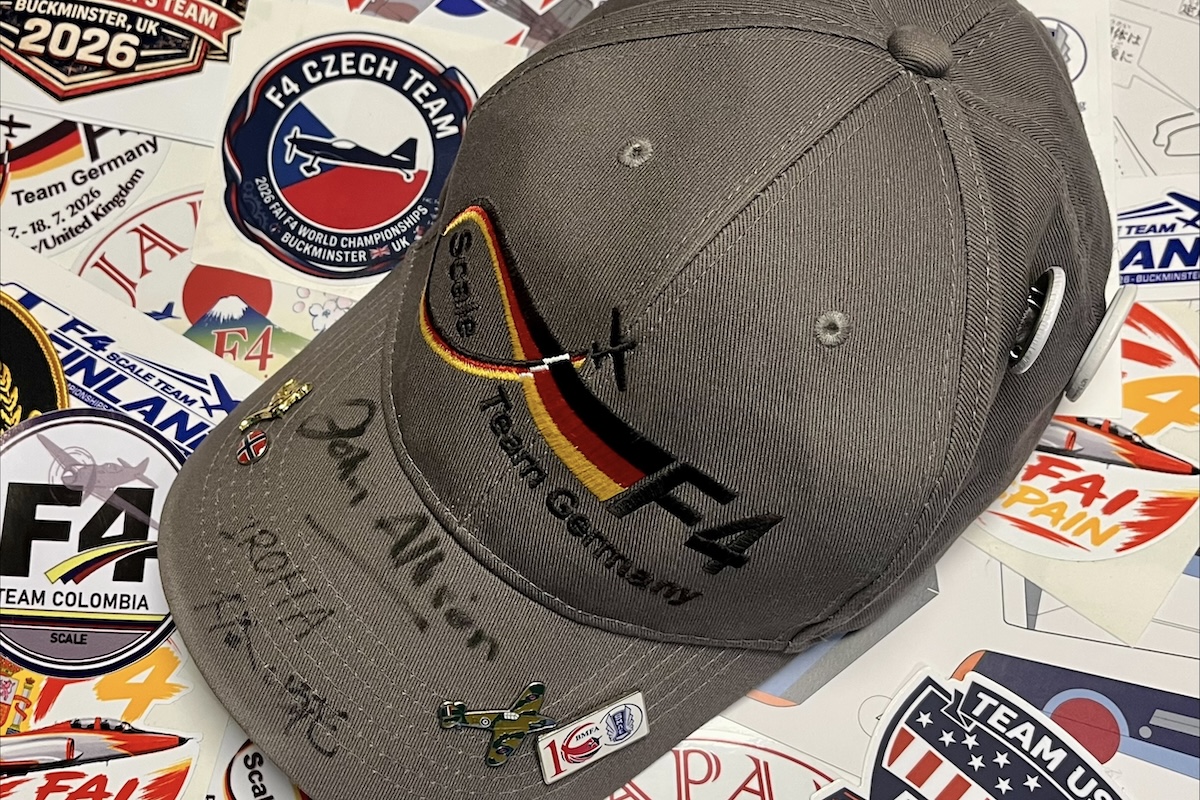
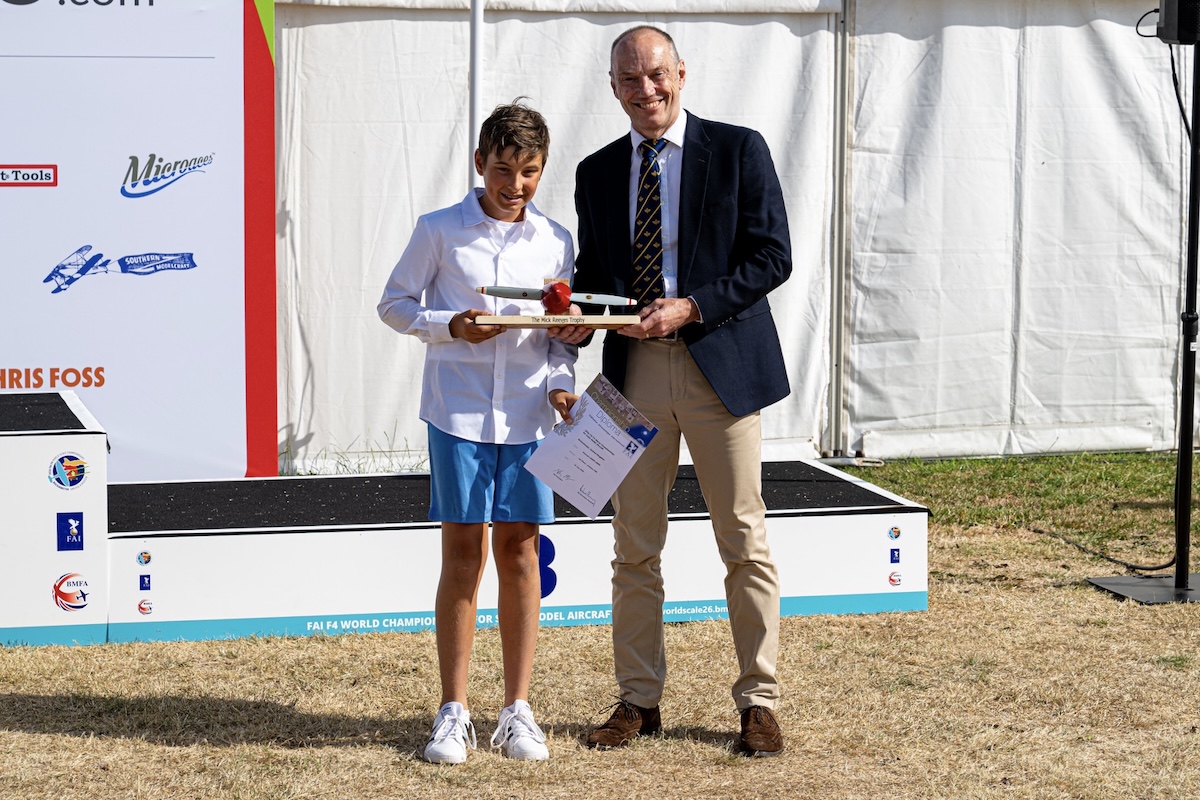
There was his FAI Diploma; The Mick Reeves Trophy; the framed BMFA photograph; the cap signed by Sir John Allison; pins and stickers exchanged with competitors from around the world; a Japanese team shirt; countless new friendships and photographs; and finally Sir John’s very personal follow-up email.
Those are the memories I believe will stay with him for the rest of his life.
It Takes a Village
Our project involved much more than just the workshop. First and foremost, my wife and Konrad’s older sister quietly made the whole adventure possible by giving us the time and space we needed during the many months of preparation.
Along the journey, we met wonderful people who were generous enough to share their time and experience:
As I mentioned previously, there were the tireless efforts of his mentor Thomas Brandt before the competition, as well as the support of his caller during the World Championship, Marcus Hausmann.
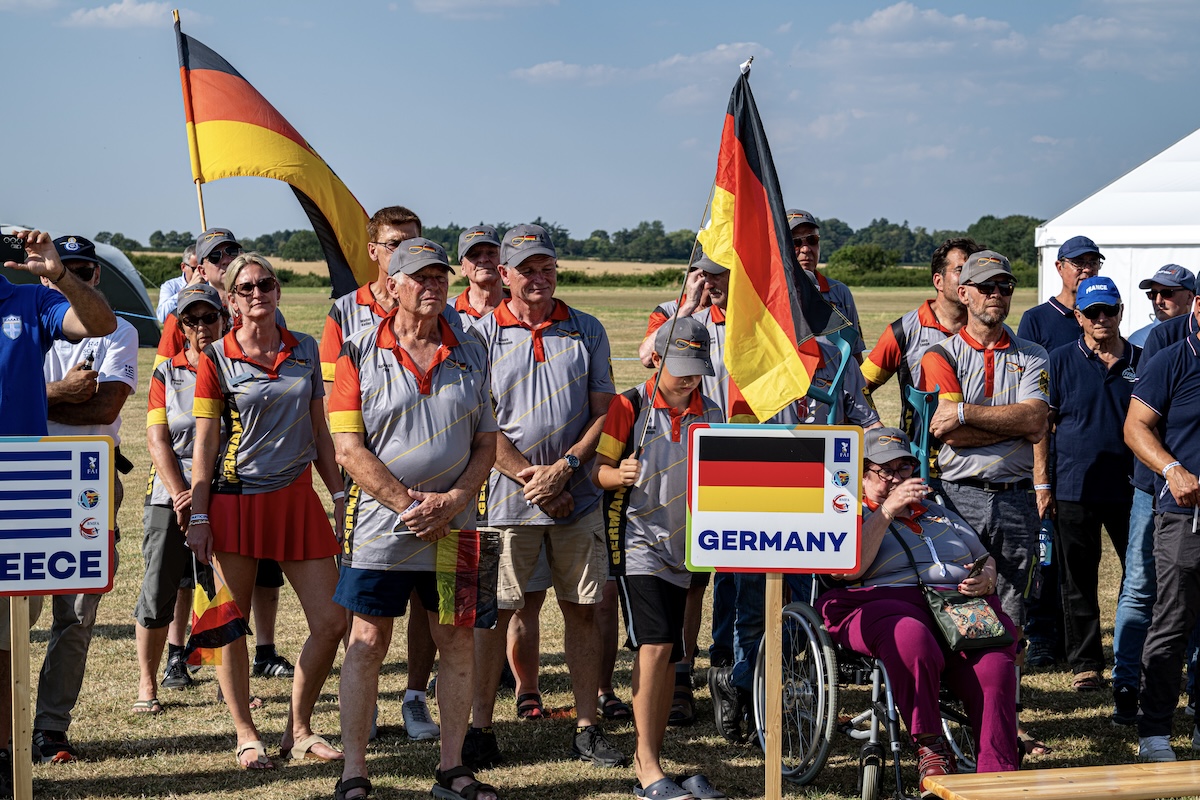 Our German Team Manager, Dr. Klaus Seemann, guided the entire German team through the countless practical challenges that accompany an international championship: travel arrangements, transport, customs, documentation, and all the organisation required before a single model even reached the flight line. Only because all these pieces came together was Konrad finally able to stand on the flight line in Buckminster.
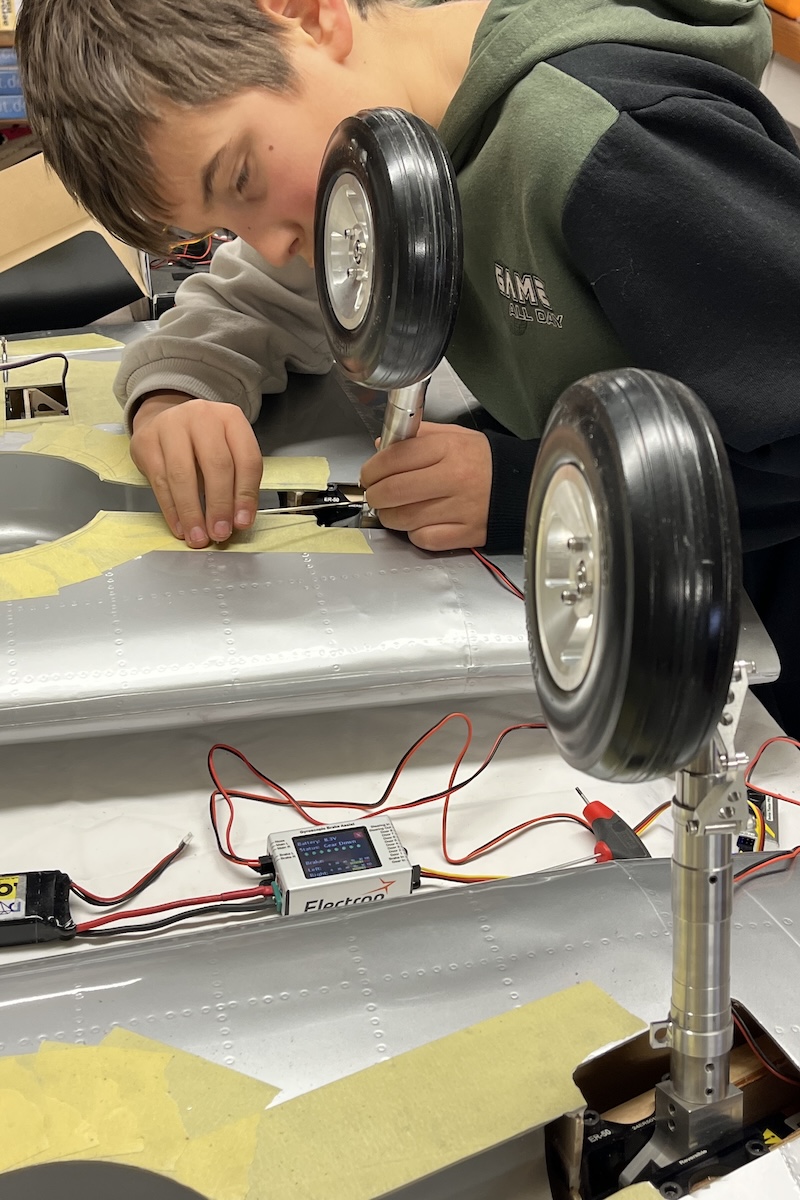
During the construction of the Silver Spitfire, Dennis Otte inspired us with ideas on how to recreate the highly polished appearance of the full-scale namesake; discussions with Andreas Gietz convinced us that the classic FiberClassics Spitfire, now produced by CARF Models,1 could become the right basis for such an ambitious project; Bart Stroobants from Belgium, himself a passionate builder of electrically powered Spitfires, generously shared many practical ideas, particularly about the details that would matter during static judging; last but not least, Laurent Schaal of ALM Méca2 helped us improve parts of the undercarriage when we encountered technical challenges during development.
None of these people built the model for us. What they gave us was knowledge, encouragement, and confidence. Every conversation added another small piece to the puzzle until we eventually realised that perhaps we really could build a World Championship model ourselves.
Both Konrad and I are deeply appreciative of all the help we received, which came in many forms, and our heartfelt thanks go out to each and every one of them for helping to enable this dream.
Farewell, Not Goodbye
What Buckminster gave our family was far more than a competition. It gave us unforgettable experiences, wonderful friendships, and a feeling of being genuinely welcomed.
England has become a very special place for us, and we sincerely hope that this will not have been our last opportunity to bring Konrad’s Silver Spitfire back to the country that inspired it.
If future events ever provide such an opportunity, we would be delighted to return. 🛩️✍🏻

***
Thank you so much for reading. Comments, questions or any other feedback? The author would love to hear from you.